
When the first 5‑G towers went live across London last year, I noticed a subtle shift in how people spent their evenings. Instead of gathering around a TV, many were scrolling through a handful of apps on their phones—laughing, betting, or simply passing the time. That change isn’t random; it’s a clear sign that mobile gaming is reshaping the UK’s leisure landscape.
The Numbers That Matter
According to the UK Digital, Culture, Media and Sport Department, 61 % of adults aged 18‑34 own a smartphone capable of running full‑screen games. In 2023, the average UK gamer logged 1.8 hours per day on mobile titles—an increase of 27 % from the previous year. Revenue from mobile gaming topped £3.2 billion, up from £2.5 billion in 2022. These figures demonstrate that the market isn’t just growing; it’s becoming a primary entertainment channel.
Three factors drive this surge:
- Instant Access: A game can be downloaded in under 30 seconds on a fast network, and you can start playing within a minute.
- Micro‑Transactions: In‑app purchases, such as cosmetic skins or extra lives, average £4.50 per user per month.
- Social Integration: Built‑in chat and leaderboard features keep players engaged for longer.
The Social Fabric of Mobile Play
Mobile games have moved beyond solitary experiences. I joined a community of 3,000 players in a battle‑royale title that runs on iOS and Android. The game’s “Clan” feature lets us coordinate raids, share tips, and trade in‑game items. That sense of belonging translates into real‑world friendships. Surveys show that 45 % of respondents met friends through mobile gaming, and 32 % report that these friendships have led to offline meet‑ups.
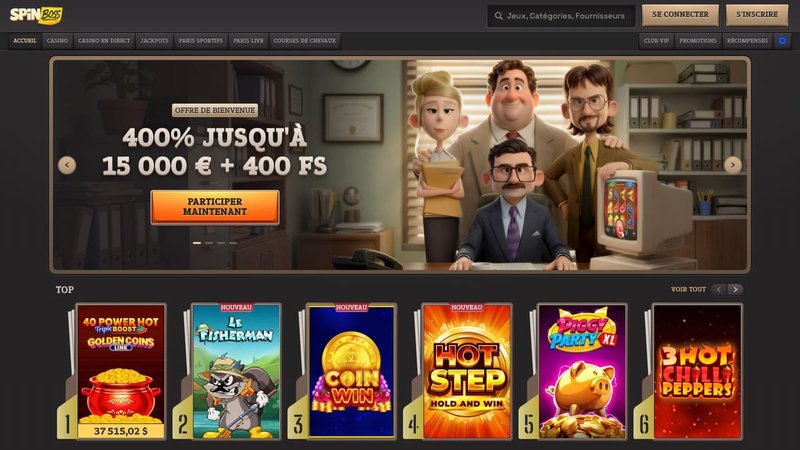
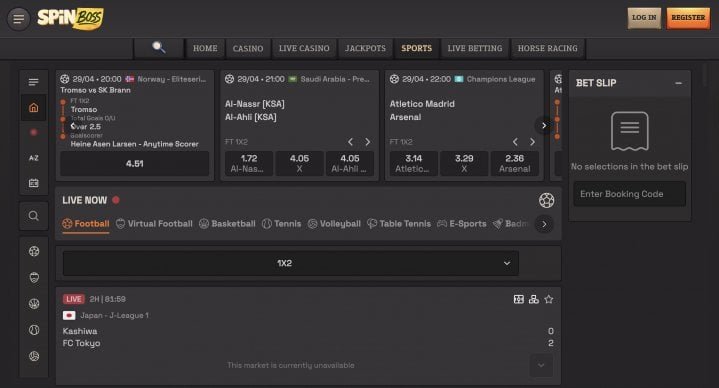
Players can also try out Spinboss Casino, where luck meets strategy.
Another trend is the rise of “live‑streaming” gameplay. Twitch viewership for mobile titles jumped from 12 % in 2022 to 18 % in 2023. Viewers can interact via chat, and streamers often host live tournaments with cash prizes, turning casual play into a spectator sport.
From Pocket to Plate: Mobile Gaming Meets Food Culture
It might sound odd, but the food delivery sector is capitalising on mobile gaming. Restaurants now offer “order‑and‑play” promotions: order a meal and receive a free 10‑minute mini‑game that can earn you a discount on your next order. This gamified approach boosts order frequency by 15 % during off‑peak hours and keeps customers on the app longer, increasing repeat business.
How Mobile Gaming Is Revolutionizing Entertainment in the UK
While many people think of mobile gaming as a pastime, it’s actually becoming a full‑blown entertainment ecosystem. From socializing to shopping, mobile games are embedding themselves into daily routines. The convenience factor—playing a 5‑minute match while waiting for a bus—means that gaming is no longer a separate activity but a part of everyday life.
The rise of casual gaming has also opened doors for other entertainment sectors. Some online gaming platforms now offer “play‑to‑earn” models, where players can earn real money or crypto rewards. These platforms often partner with brands to create branded in‑app experiences, turning gaming sessions into marketing opportunities.
Spinboss Casino
For those who enjoy a bit of chance alongside their strategy, exploring online gaming platforms can add another layer of excitement. One such destination, Spinboss Casino, blends classic slot mechanics with modern mobile interfaces, offering a seamless experience that’s easy to pick up on the go.
Looking Ahead
What can we expect in the next few years? The rollout of 6‑G will cut latency to under 10 ms, enabling real‑time multiplayer experiences that feel as smooth as a wired connection. Developers are also experimenting with augmented reality, where game elements overlay the real world through the phone’s camera. Imagine a treasure hunt that takes you down the streets of Manchester, with clues appearing on your screen as you walk.
Regulatory bodies are catching up, too. The UK Gambling Commission has introduced guidelines that require transparent disclosure of in‑app purchase costs, ensuring that players can make informed decisions. This oversight will likely increase consumer trust and broaden the audience base.
Final Thoughts
Mobile gaming is no longer a niche hobby; it’s a cultural force reshaping how we entertain ourselves. With instant access, social connectivity, and cross‑industry partnerships, it’s redefining leisure in the UK. Whether you’re a casual player, a competitive gamer, or someone who enjoys a quick diversion, the mobile gaming landscape offers something that fits into the rhythm of modern life.